Kids’ Bedroom Mistakes Everyone Makes
The recurring kids’ bedroom errors — and what the room wants instead of each one. Sleep, play and growing out of things — a room on a three-year design cycle.
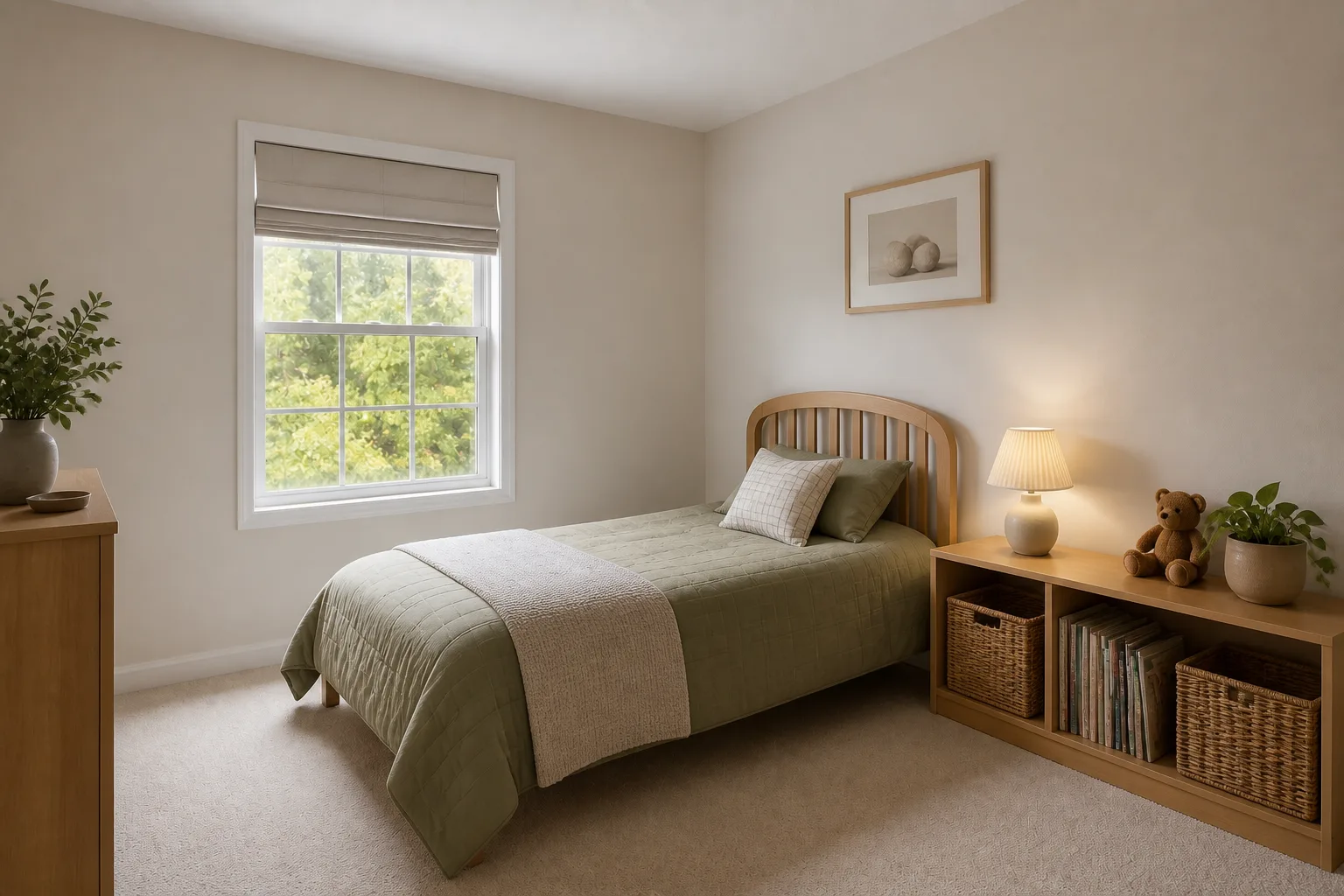 BeforeAfter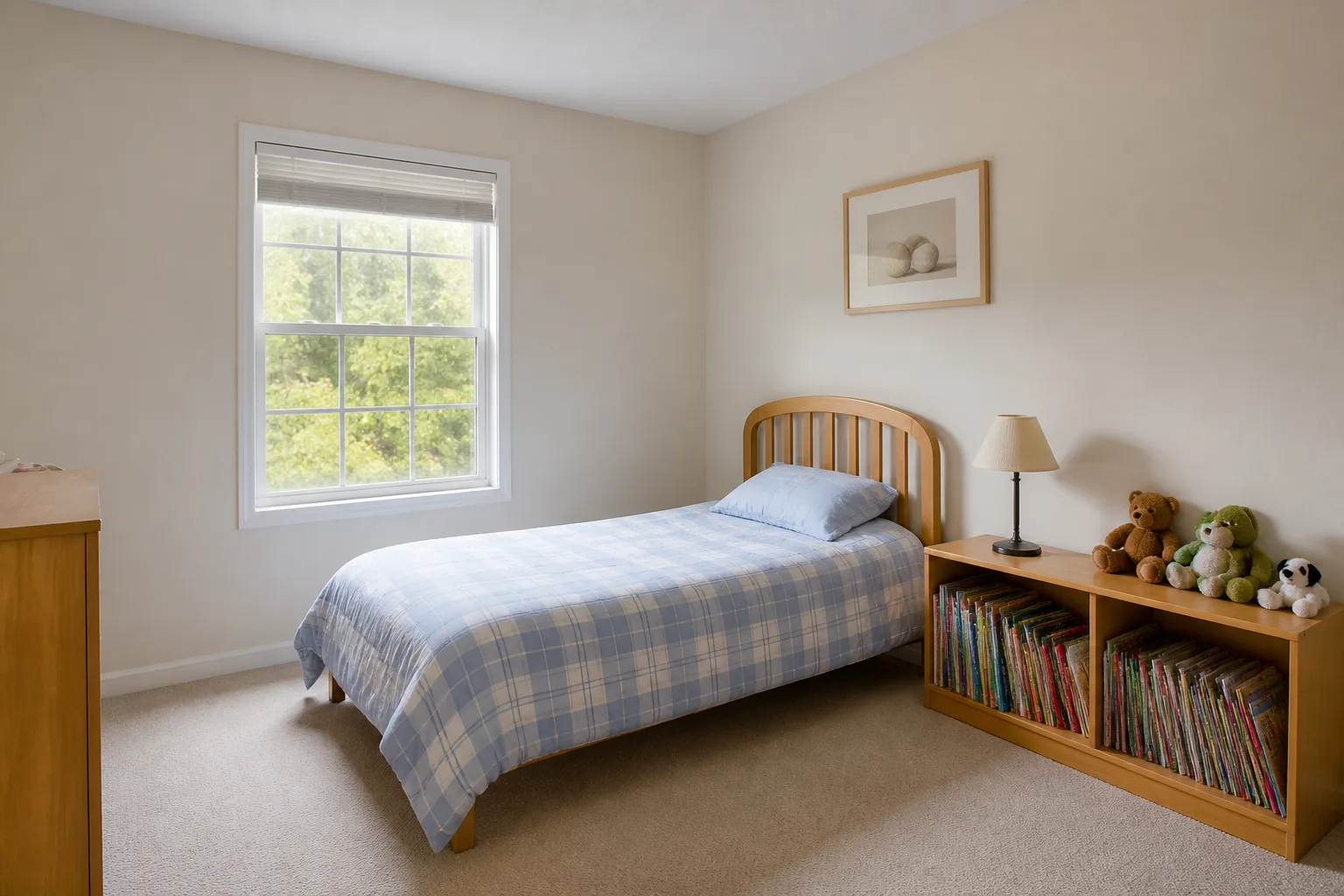
- 1
The classics, in order of damage
A full theme build — mural, novelty bed, licensed everything — priced like it is permanent, obsolete like it is milk. Storage designed for the parent who tidies rather than the child who could. The bed under the window (all the standard reasons, plus a climbing frame with a curtain). No display space, so every drawing and creation migrates to the floor.
- 2
Why they keep happening
Each mistake is the room’s job being overruled by habit or by the furniture that happened to be available. The correction is always the same move: restate the job — a child’s room is three rooms on a rotation: sleep space now, play space daily, and a different room entirely in three years. The layout holds if the expensive fixed layer stays age-neutral — walls, flooring, wardrobe, bed position by the rules of any bedroom — while the identity lives in swappable goods: bedding, posters, a lampshade, one paint colour with a weekend’s repaint cost. Rooms themed to the current obsession bill the redesign to the fixed layer, three times before secondary school.
- 3
The numbers that catch mistakes early
Most of these errors are visible with a tape measure before they are felt in use: The same open-floor rule as the playroom: a continuous 1.5×1.5m patch minimum, defended from furniture. Bed accessible from one long side at 60cm; bunks need 30cm of headroom over the sitting child on top.
- 4
If the room is small, the stakes double
In a small kids’ room, the bed goes lofted or against the wall and the freed floor is the play zone — a child values 2 square metres of open rug over any piece of furniture you could put there. Storage climbs the walls; only the current toys stay reachable.
Questions
- What matters most in a kids’ bedroom?
- A child’s room is three rooms on a rotation: sleep space now, play space daily, and a different room entirely in three years. The layout holds if the expensive fixed layer stays age-neutral — walls, flooring, wardrobe, bed position by the rules of any bedroom — while the identity lives in swappable goods: bedding, posters, a lampshade, one paint colour with a weekend’s repaint cost. Rooms themed to the current obsession bill the redesign to the fixed layer, three times before secondary school.
- Which numbers should I check before buying anything?
- The same open-floor rule as the playroom: a continuous 1.5×1.5m patch minimum, defended from furniture.
- Can I preview this on my own kids’ bedroom?
- Upload a photo in the Studio and run the ideas on the real room. New accounts start with 4 credits and a Standard render costs 4, so the first experiment is free.