Refreshing a Game Room Without Moving Walls
The changes that transform a game room inside its existing shell — surfaces, anchors, light and edit. Table games need table clearances. The felt is a machine with a service area.
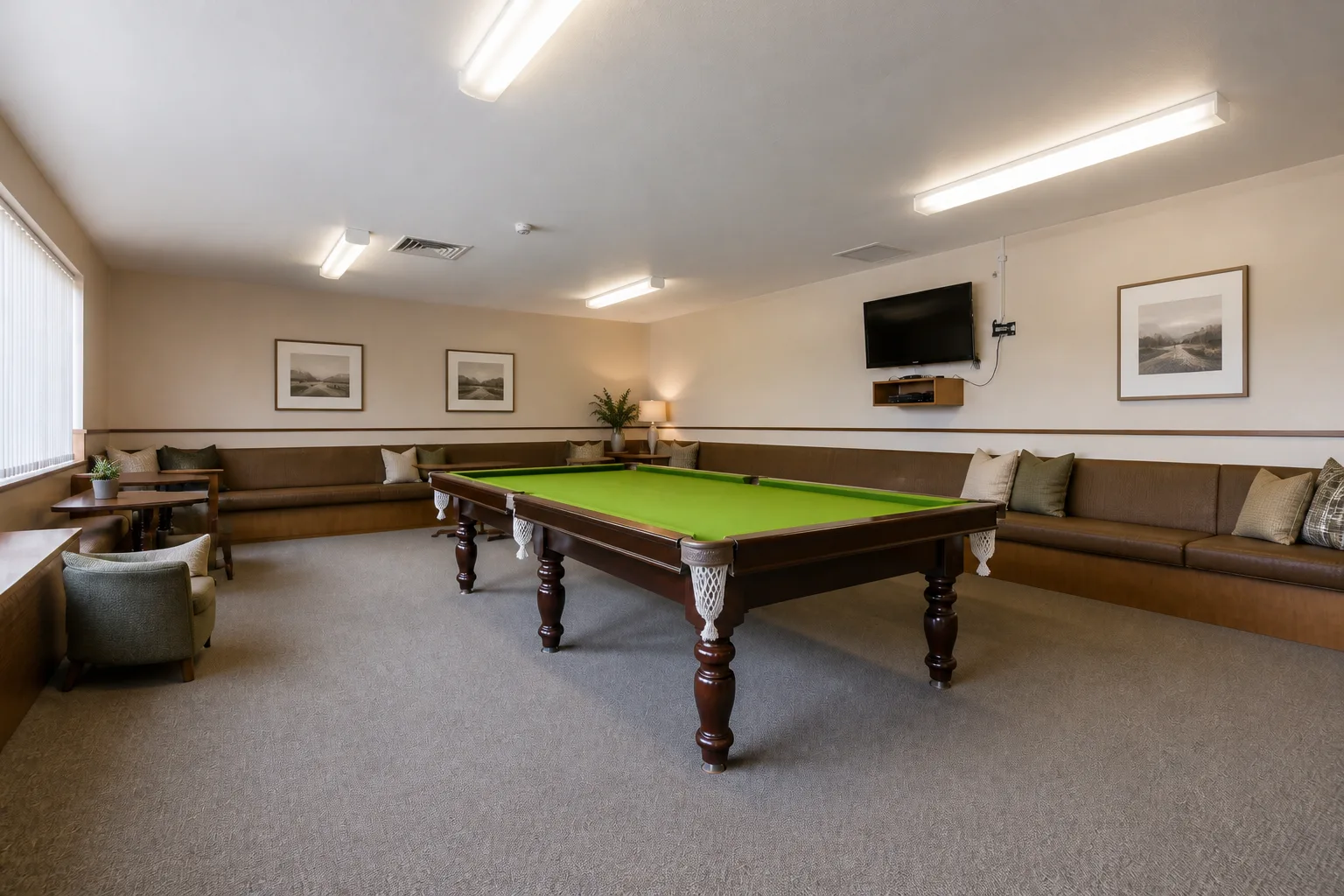 BeforeAfter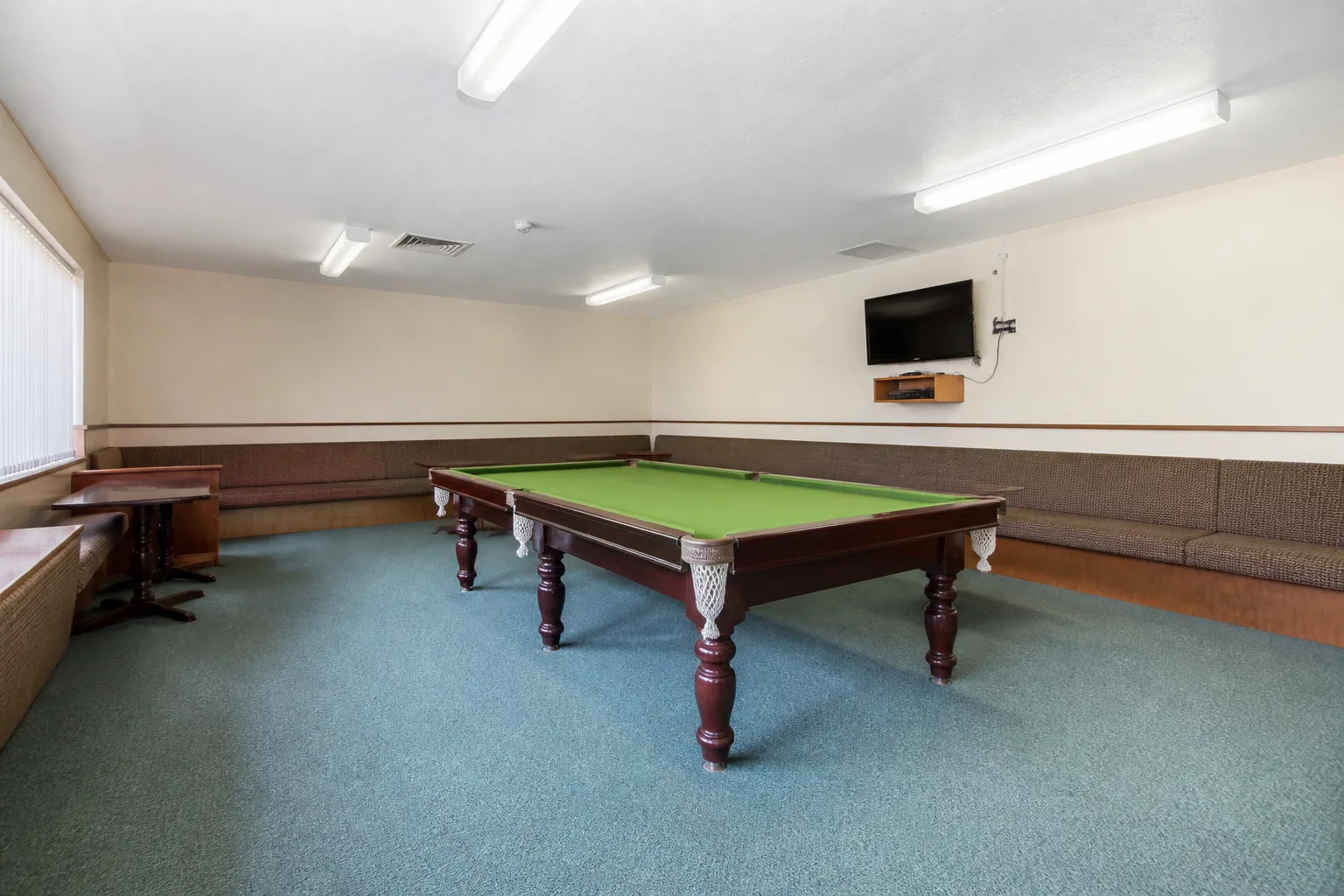
- 1
What a no-construction refresh can reach
Everything that decides how a game room feels is on the changeable layer: the surfaces, the anchor pieces, the lighting and the edit. The structure — walls, openings, ceiling — sets the stage but rarely the mood.
- 2
Spend the effort where this room shows it
The anchors carry a game room: the hero table, placed first; perimeter seating that waits its turn; a shelf or cabinet of games within reach of the table. Renewing one anchor changes the room more than five accessories, and the room will tell you which anchor is tired.
- 3
Light is the cheapest transformation
Task light over each game surface — the classic low pendant over the felt is correct, at about 80cm above the table — with the rest of the room a step dimmer, so the game is the stage and the perimeter is the audience.
- 4
And when it is small
Small game rooms choose the game: one table done with full clearances beats three squeezed. A folding card table, wall-mounted dartboard and a console corner coexist in 10 square metres — a pool table does not share.
Questions
- What matters most in a game room?
- A game room is hired around its tables, and every table has a service zone the room must honour: a pool cue needs 1.5m of swing on all sides, a card table needs pushed-back chairs, a console corner needs its cinema-lite sightline. Plan the zones first at full clearance, and only then see what seating and bar space the leftovers allow. Rooms planned furniture-first end up with a pool table nobody can shoot the left side of.
- Which numbers should I check before buying anything?
- Pool: table footprint PLUS 1.5m all round for the cue — a 7ft table truly needs 5×4m of room.
- Can I preview this on my own game room?
- Upload a photo in the Studio and run the ideas on the real room. New accounts start with 4 credits and a Standard render costs 4, so the first experiment is free.